
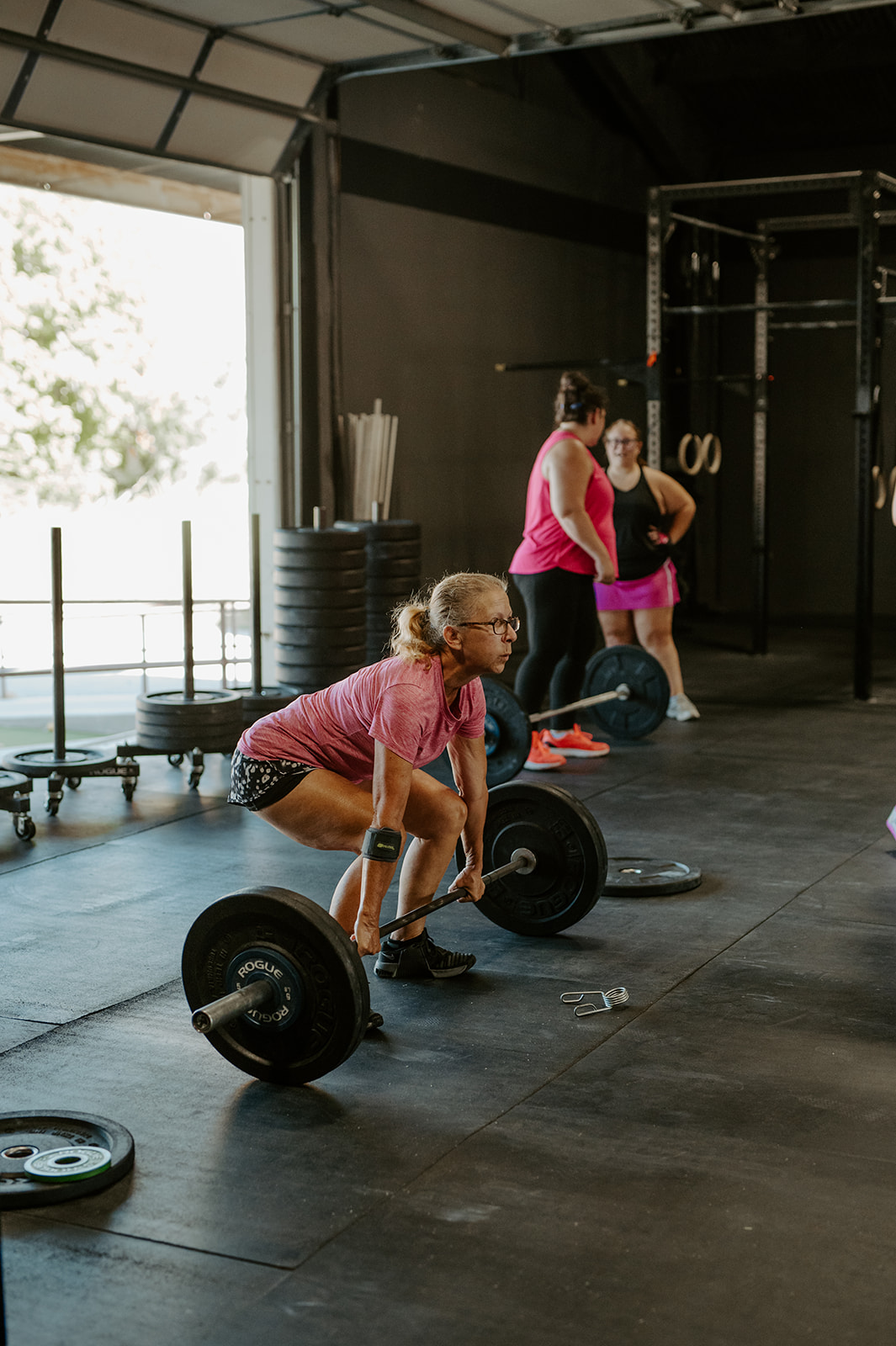
At 40 and beyond, fitness often starts to take on a different meaning. You might still want to look better or improve your workout performance, but you also want to carry luggage comfortably, keep up with your kids, and spend a Saturday working in the yard without feeling completely wiped out. You start thinking about what you want your life to look like 10, 20, or 30 years from now.
Strength training after 40 is one of the most practical ways to invest in that future. Building strength helps prepare you for the physical demands of everyday life, while supporting your ability to remain active and independent as you age. You don’t need to become a competitive weightlifter to benefit. You need a manageable starting point and a routine you can repeat.
Why muscle deserves your attention after 40
Muscle mass and strength tend to decline as we age, but turning 40 doesn’t mean your body suddenly stops responding to exercise. Resistance training can help slow age-related muscle loss and improve physical function. Your muscles still respond to being challenged, whether that resistance comes from dumbbells, kettlebells, barbells, bands, or your own body weight.
Think about getting up from a low chair. If that movement requires almost all your available strength, it feels difficult. When your legs are stronger, the same task takes a smaller share of what you can do. The task hasn’t changed, but your capacity to handle it has.
That extra capacity is useful everywhere. Carrying groceries, climbing stairs, lifting a child, and moving a bag of dog food all require strength. Training gives you opportunities to practice and improve the movement patterns behind those activities in a safe, controlled setting.
Strength supports the life you want to keep living
Longevity is often discussed in terms of years, but it’s also worth thinking about how you want to spend those years. Do you want to hike on vacation, play on the floor with your grandkids, or continue doing projects around the house? Those activities require physical abilities that deserve attention before they become difficult.
Strength training also supports bone health and can help maintain bone strength as you age. Combined with aerobic activity, it contributes to a more complete exercise routine. Walking, cycling, and swimming are valuable activities, and adding resistance training gives you a way to work deliberately on muscular strength.
There’s also confidence in discovering that you can do something that used to feel challenging. Picking up a suitcase comfortably or getting off the floor more easily can be a meaningful reminder that your efforts are paying off.
Your starting point matters more than your age
A 45-year-old who has trained consistently for two decades will probably need a different starting point than a 45-year-old returning after years away. Your experience, current abilities, previous injuries, and recovery all help determine what makes sense for you.
Start with movements you can control. Learn to squat, hinge at your hips, push, pull, and carry with an appropriate challenge. A squat might begin with sitting down to a box and standing back up. A push-up might start with your hands on a bench. A deadlift might involve lifting a kettlebell from an elevated surface.
These variations give you a useful place to begin and a way to progress. As your control and strength improve, you can gradually increase the challenge through additional repetitions, more resistance, or a different variation. You don’t have to prove what you could lift 15 years ago during your first week back.
How much strength training do you need?
Adult physical activity guidelines recommend muscle-strengthening activities that work all major muscle groups at least twice a week, alongside aerobic exercise. For someone with a busy schedule, two consistent strength sessions can be a realistic starting point.
Choose days you can reliably protect on your calendar. If you’re starting with two full-body sessions, leaving recovery time between them can help make the routine manageable. Build from an amount of work you can repeat, then adjust as you learn how you respond.
You can continue walking, cycling, or doing other activities you enjoy around those sessions. If you attend group classes that combine strength and conditioning, look at the week as a whole. A coach can help you understand how the sessions fit together and where you’re getting opportunities to develop both.
Measure progress in ways that matter
The weight on the bar is one useful measure, but it isn’t the only one. You might notice that you squat with better control, complete more repetitions at the same weight, or carry groceries more comfortably. Those are meaningful improvements, even when the scale hasn’t changed.
Keep a simple record of your workouts so you can see those changes over time. Give yourself room to adjust during demanding weeks, too. Work, family responsibilities, and poor sleep can affect what you’re ready to do on a particular day. A sustainable routine allows for those adjustments while keeping you moving toward your goals.
Build strength with guidance
At Longma Fitness in Brownwood, we help you choose movements and loading that fit your current abilities. Our coaching gives you direction, feedback, and a way to progress whether you’re starting for the first time or returning after a long break.
You don’t need to wait until everyday activities become difficult to start investing in your strength. Think about something you want to keep doing 20 years from now. The work you do today can help support that future.
Want help getting started with strength training after 40? Schedule a complimentary 10-minute discovery call to discuss your goals, your training experience, and an approach that fits your schedule. No pressure, no commitment. Just a quick conversation to see if we can help.


