
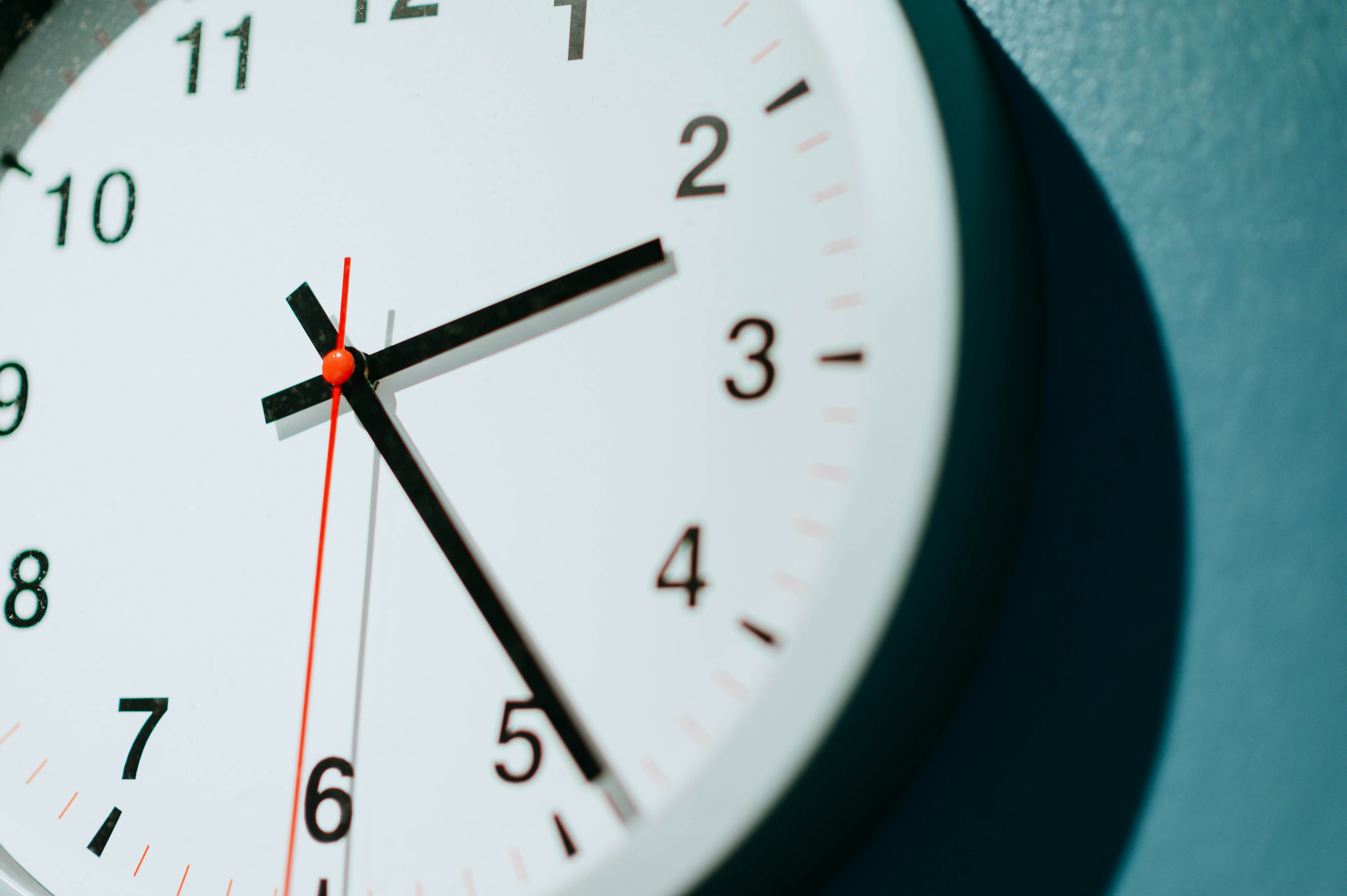
Daylight Saving Time ends this Sunday, November 1st.
For most people, this is the “good” time change. We fall back, gain an hour, and get what feels like a bonus hour of sleep Saturday night into Sunday morning. Compared to the brutal spring change where we lose an hour, falling back is supposed to be the easy one.
However, that extra hour on the clock doesn’t automatically translate into better sleep, more energy, or improved recovery. In fact, the fall time change creates its own set of disruptions, and if you’re training consistently, those disruptions can affect your workouts, your appetite, and your mood for days or even weeks.
At Longma Fitness, we always see a shift in energy and performance around the time changes. Here’s what’s actually happening and how to adjust so you can keep making progress through the transition.
Why Gaining an Hour Doesn’t Always Mean Better Sleep
The time on the clock changes, but your body’s internal clock doesn’t update automatically.
Your circadian rhythm, the roughly 24-hour cycle that governs when you feel sleepy, alert, hungry, and ready to perform, is driven primarily by light exposure and consistent sleep-wake patterns. It’s not driven by what the clock says. When Daylight Saving Time ends, your body still expects to wake up and go to sleep at the same solar times it has been for months. The clock changes, but your biology hasn’t caught up.
This creates a few predictable effects. Many people wake up earlier than they want to on Sunday morning, which doesn’t feel like gaining an hour at all. Others fall asleep earlier that night but then wake up in the middle of the night as their internal clock shifts around. Appetite timing gets thrown off, so you might feel hungry at odd times for a few days.
The disruption is usually smaller than the spring change, but it’s real. Research has consistently shown measurable effects on sleep quality, mood, and reaction time for several days to a week after the fall transition.
How the Time Change Affects Your Workouts
If you train in the morning, this transition might actually feel pretty good for the first few days. You’ll naturally wake up earlier, and getting to the gym at 5:30 AM might feel like 6:30 AM to your body. Easy.
If you train in the evening, the picture gets more complicated. The sun now sets around 5:30 PM instead of 6:30 PM, which means your evening workouts happen in the dark. For some people, this triggers an earlier wind-down response, making evening training feel more draining than usual.
The deeper issue is that the sleep disruptions from the time change affect training in ways that aren’t always obvious. You might feel slightly more tired for a few days. Your coordination might be a touch off. Workouts that normally feel manageable might feel harder than they should. Your perceived exertion goes up, even though the actual workout is the same.
None of this is catastrophic, but if you understand what’s happening, you can adjust your expectations and your approach for the first week or two instead of wondering why you suddenly feel off.
Why Morning Sunlight Matters
The single most powerful tool for adjusting your circadian rhythm is light exposure, particularly morning sunlight.
When bright light hits your eyes early in the day, it sends a strong signal to your brain that it’s time to be alert. This resets your internal clock for the day ahead and helps you feel sleepy at the appropriate time that night. The brighter the light and the earlier you get it, the more effective it is.
With the time change, this becomes even more important. Getting outside for even 10 or 15 minutes within the first hour of waking up can dramatically speed up your body’s adjustment to the new schedule. A morning walk, time on the porch with coffee, or just driving with the window down works better than you’d expect.
The practical challenge is that in Texas during the late fall, mornings get darker. If you’re waking up at 5 or 6 AM to train, there might not be much natural light available. In that case, bright indoor lighting during your morning routine helps, though it’s not as effective as actual sunlight. Getting outside later in the morning when the sun is up still provides benefits.
Why Sleep Quality and Quantity Both Matter
Sleep is where most of your training adaptation actually happens. Your body releases growth hormone during deep sleep, which drives muscle repair and tissue growth. Your nervous system consolidates motor patterns. Your immune system does its most important repair work. Your hormones reset for the day ahead.
Both duration and quality matter here. Someone who spends eight hours in bed but gets fragmented, poor-quality sleep isn’t getting the same recovery as someone who sleeps seven solid hours. The time change can disrupt both. You might spend the same amount of time in bed but wake up more often, spend less time in deep sleep, or have your sleep timing shift in ways that don’t align with your natural rhythm.
If you’ve been training hard and eating well but suddenly feel like your workouts are harder and your motivation is lower, consider that sleep disruption from the time change could be part of what’s going on. The fix isn’t more training or stricter nutrition. It’s protecting your sleep and giving your body time to adjust.
Five Simple Ways to Adjust
The fall time change doesn’t have to derail your fitness. A few small adjustments can help you move through the transition smoothly.
Maintain a consistent wake-up time. Resist the urge to sleep in on Sunday morning just because you can. Wake up at your normal clock time (which will feel an hour earlier) and go about your day. This helps your internal clock adjust faster than if you sleep in and prolong the mismatch.
Get morning sunlight. Within the first hour of waking, get outside for at least 10 to 15 minutes if possible. If it’s still dark when you wake, turn on bright lights immediately and get outside later in the morning. Light exposure is the fastest way to reset your rhythm.
Reduce bright light before bed. Your body is already a bit confused about timing. Don’t add to the confusion by exposing yourself to screens and bright overhead lights late at night. Dim the lights an hour before bed and limit screen time to help your body wind down naturally.
Limit late caffeine. Caffeine stays in your system longer than most people realize. If you’re having trouble falling asleep after the time change, try cutting off caffeine by noon or 1 PM for a week until your sleep stabilizes.
Keep exercising. It’s tempting to skip workouts when you feel off, but consistent exercise actually helps regulate your circadian rhythm and improves sleep quality. Even if a workout feels harder than usual, showing up and getting it done helps you adjust faster than taking time off would.
The Bigger Picture
The time change is a reminder that your body operates on biological rhythms, not clock time. The same principles that help you adjust to the time change (consistent wake times, morning light, reduced evening light, protected sleep) are the principles that support good sleep and good training all year round.
If you’ve been struggling with energy, sleep, or motivation even before this weekend, these principles are worth taking seriously. Fitness isn’t just about what happens during your workouts. It’s about how you support your body the other 23 hours of the day.
How Longma Fitness Thinks About This
We coach the whole picture. Our members hear us talk about sleep, recovery, and lifestyle factors just as often as we talk about training itself, because all of these pieces determine your results.
If the time change knocks you off this week, don’t panic. Keep showing up. Protect your sleep. Get your morning light. Trust that your body will adjust in a week or two and you’ll be back to feeling normal. The members who maintain their habits through transitions like this one are the ones who maintain their fitness long-term.
🎯 Free 10-Minute Discovery Call
Ready to build a complete approach to fitness that includes training, nutrition, and recovery?
Schedule a complimentary 10-minute discovery call where we’ll discuss your goals, your current habits, and how our coaching helps you address all the pieces that matter.
No pressure, no commitment. Just a quick conversation to see if we can help.


